Protection

Protection is essential for the safe and reliable operation of power systems, serving as the first line of defense for electrical infrastructure and critical equipment. At Spring Power Solutions, we deliver end-to-end protection services, from brownfield upgrades to greenfield installations, ensuring robust and resilient electrical networks across Australia.

Our expertise spans a wide range of protection schemes, including:

With our tailored solutions, we safeguard your power systems,
ensuring reliability and minimizing downtime.

Primary Injection Testing:

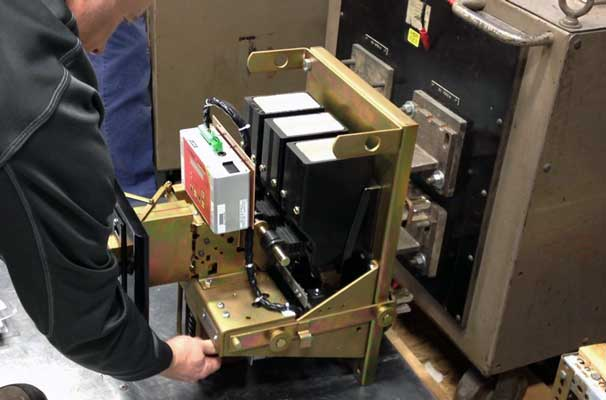
Primary Injection Testing involves the application of high current directly into the primary side of the protection system. This test ensures the accurate functionality of connected relays, circuit breakers (CB), and current transformers (CT). It is critical for verifying the correct operation of the protection scheme, including trip timing and coordination, and provides a comprehensive assessment of the system’s reliability under simulated fault conditions.
Secondary Injection Testing:

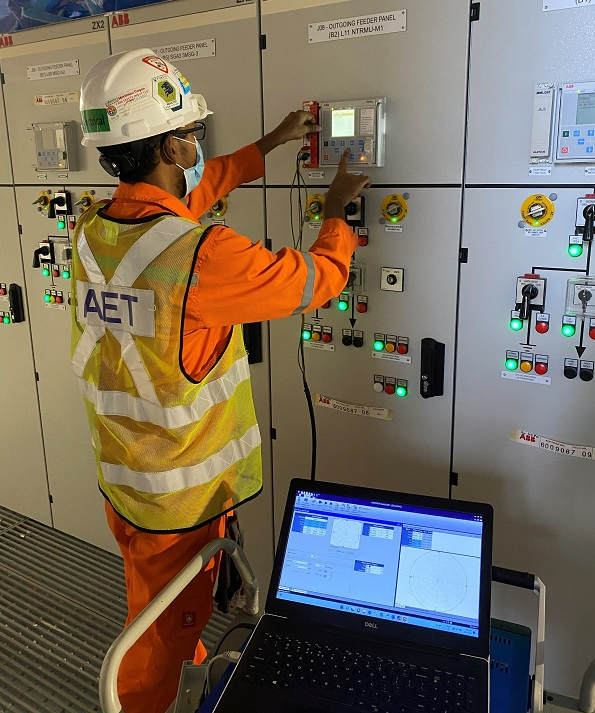
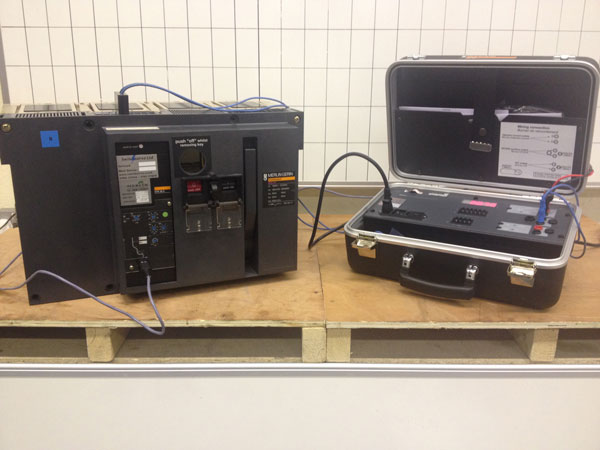
Secondary Injection Testing focuses on injecting lower levels of current and voltage directly into the relay terminals. This test validates the relay’s operational accuracy and response to simulated fault conditions. It is instrumental in verifying the relay’s settings and coordination with the overall protection system, ensuring the reliability of individual relays without applying high-power primary currents.

Product Check:

A detailed physical inspection of the relay is conducted prior to testing to ensure that it is free from damage and that all connections are intact. This process includes verifying the integrity of terminal connections, ensuring correct wiring, and confirming that operational settings align with the system’s requirements. By addressing potential issues early, this step minimizes the risk of unexpected failures during testing or operation.

Relay Configuration Testing:

Relay Configuration Testing ensures the relay is set up according to approved designs and settings for optimal operation and integration. It involves defining protection logic, mapping signals for local and remote control, and configuring protocols like IEC 61850 or Modbus. The process includes functional testing to validate performance, compliance, and system readiness.

Clients


Quotation